What to Do with the Spot After Stump Grinding: Can You Plant Grass or a New Tree?
After a stump is ground down, what you are left with is a patch of bare ground mixed with wood chips and sawdust. It is natural to want that area to blend back into the lawn or to put a new tree in the same spot. The short answer is yes, you can plant grass or a new tree after stump grinding, but there are a few important steps and some waiting time involved. Rushing the process often leads to poor growth, sinking soil, or a tree that struggles for years.
What Happens During Stump Grinding
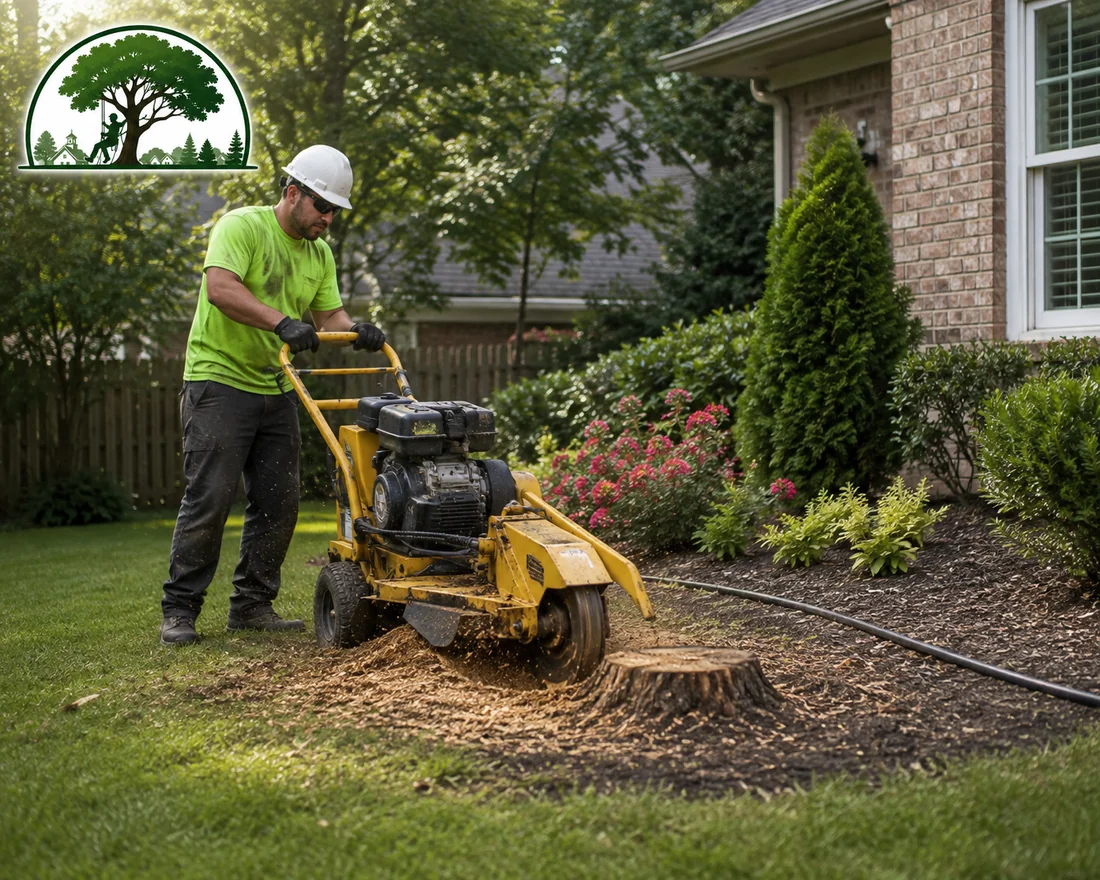
A stump grinder chews the visible stump and the larger surface roots into small wood chips. Most of the time the grinding goes about 6 to 12 inches below the soil surface, depending on the machine and the job. The result is a pile of wood chips mixed with soil and some loose roots. That material is not the same as plain topsoil. It decomposes slowly, and as it rots, the volume shrinks. That is why the ground in that spot will settle over time. If you fill the hole level with the surrounding lawn right after grinding, you will likely see a dip appear weeks or months later.
Planting Grass After Stump Grinding
Grass is more forgiving than a tree, but it still needs a decent seedbed. The first thing to deal with is the layer of wood chips. Fresh wood chips tie up nitrogen in the soil as they break down, which can starve grass seedlings. You have two options. One is to remove as many of the chips as you can, down to the soil beneath, and then fill the depression with good topsoil before seeding or laying sod. The other is to leave the chips in place but mix them with plenty of nitrogen-rich compost and topsoil, then wait a few months before planting grass. The waiting approach is safer because it lets some of the decomposition happen before the grass roots need to feed.
For the quickest result, rake out the loose chips, bring the area level with topsoil, tamp it gently, and sow a grass seed blend that matches your existing lawn. Keep the area consistently moist for the first few weeks. Be prepared to top up the soil later if the remaining wood chips underneath settle and create a low spot. A trip hazard can develop if the edge of the grinding area sinks while the surrounding lawn stays high, so check the grade after a few rainstorms and add more soil if needed.
Preparing the Spot for a New Tree
Planting a new tree in the same spot where an old stump was ground is more complicated. The main issues are the leftover roots, the decomposing wood chips, and the soil structure. Old tree roots can take years to fully rot. If you plant a new tree directly into that mass, the young roots may have trouble spreading. They can also be blocked by the larger chunks of root that the grinder did not reach. And the decomposing chips can create a nitrogen deficiency that stunts the new tree's early growth.
The better approach is to plant the new tree a few feet away from the old stump location, if the layout of your yard allows. That avoids the disturbed soil and the root competition entirely. If you must plant in the exact same spot, you need to do a bit of excavation. Dig out as much of the wood chip and root mix as you can, going at least 12 to 18 inches deep and about twice the width of the new tree's root ball. Replace that material with good quality topsoil or a mix of topsoil and compost. Then plant the tree in that fresh soil. Do not add any fertilizer that is high in nitrogen right away; let the tree settle in first. Water it regularly through the first two growing seasons.
One more thing to watch for is soil settlement. The wood chips and old roots left in the ground will continue to decompose and shrink. That means the ground around your new tree may settle unevenly. You might need to add more soil around the base after a year or two. This is normal, but it is worth keeping an eye on so the root flare of the tree stays at the correct level.
Dealing with Wood Chips and Mulch Cleanup
The pile of wood chips left after stump grinding is not waste. You can use it as mulch around other trees and shrubs, as long as you do not pile it against the trunks. Wood chip mulch helps retain moisture and suppress weeds, and it breaks down slowly, feeding the soil. If you have a large pile, you can spread it in a thin layer over garden beds or mix it into a compost pile. Just avoid using it as a top dressing where you plan to seed grass, because of the nitrogen issue mentioned earlier. Some people prefer to have the stump grinding crew haul the chips away, which is part of a full mulch cleanup service. That is fine if you do not have a use for them. Leaving them in a low pile on the site is also fine, as long as you understand that the ground there will stay soft and uneven for a while.
How Long Should You Wait
There is no single answer, but a general rule is to wait at least a few months before planting grass, and at least six months to a year before planting a new tree in the exact same spot. The waiting time gives the remaining roots and chips time to start breaking down, which reduces the soil settlement and the nitrogen drawdown. If you are in a hurry, you can plant grass sooner by removing most of the chips and using fresh topsoil. For a tree, the waiting period is more important because a tree's root system is long-term. Planting into ground that is still actively settling and decomposing can lead to a leaning tree or one that grows slowly for years.
If you are not sure about the condition of the soil after grinding, you can do a simple test. Dig a small hole in the area a few inches deep and feel the material. If it is mostly wood chips with little soil, you need to amend it or wait longer. If it looks like dark, crumbly soil with only a few chips mixed in, it is probably ready.
Common Mistakes to Avoid
- Filling the hole level with the surrounding lawn right after grinding without accounting for settlement. The ground will sink, leaving a depression that collects water and becomes a mower obstruction.
- Planting a new tree directly into the wood chip and root mix without excavating and replacing the soil. The young tree will struggle and may fail to thrive.
- Using fresh wood chips as a top dressing for the area where you want grass. The chips rob nitrogen from the soil and can kill the grass seedlings.
- Ignoring the leftover roots that can create a trip hazard or mower obstruction if they stick up after the wood chips wash away. Grind them down or cut them flush with the ground.
When to Call for Help
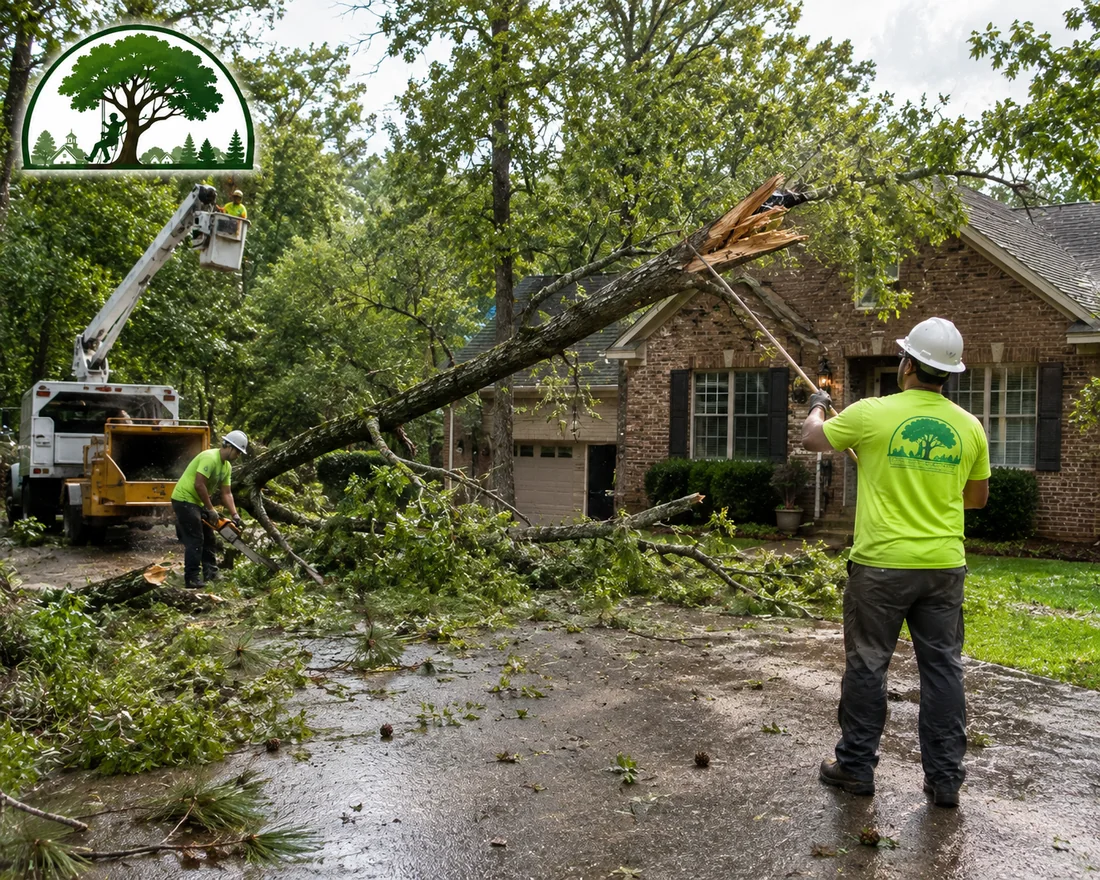
If the stump was large or the root system was extensive, the grinding job might leave more debris than you can easily handle on your own. That is when it makes sense to contact a stump removal service that also offers site cleanup and soil preparation. A good tree service in Dallas GA can handle the grinding, haul away the chips, and even rough-grade the area so it is ready for grass or a new planting. They will have the equipment to grind deeper if needed and to remove any large roots that could cause problems later. Stump removal service providers understand the local soil conditions and can advise you on the best timing for replanting based on the tree species and the time of year. If you plan to replant with a new tree, ask them about the depth of the grinding and whether they can remove the bulk of the wood chips. That extra step makes a big difference in how quickly the site becomes usable for a new tree.
For homeowners in the area, a reliable tree service in Dallas GA will give you a clear idea of what to expect after the machine leaves. They can tell you how much the ground is likely to settle and how long the wood chips will take to break down. That kind of practical advice saves you from having to redo the work later. Whether you decide to plant grass, a new tree, or just let the area rest, the key is to work with the natural process of decomposition rather than fighting it. Give the site a little time and the right soil amendments, and you can turn that bare patch back into a healthy part of your landscape.